Studies Link Dietary Fiber to Brain Health, Mood Regulation
08/16/2026 / By Coco Somers
Dietary Fiber Associated With Cognitive and Mood Benefits, Researchers Report
Multiple peer-reviewed studies associate higher dietary fiber intake with better cognitive function, slower age-related cognitive decline, and a lower risk of depression, according to reports published in recent years.
Two studies published in 2023, one conducted in Japan and one in Italy, each tracked participants for 15 to 20 years and suggested that adults who consume higher amounts of dietary fiber may have a lower risk of developing Alzheimer’s disease and other forms of dementia, according to findings reported in the journals Nutritional Neuroscience and Age and Ageing [1]. A separate analysis of 5,068 participants in the 2017-2018 National Health and Nutrition Examination Survey found that adults in the highest intake groups for dietary fiber had between 36% and 45% lower odds of depression compared with the lowest intake groups, according to the study authors [2].
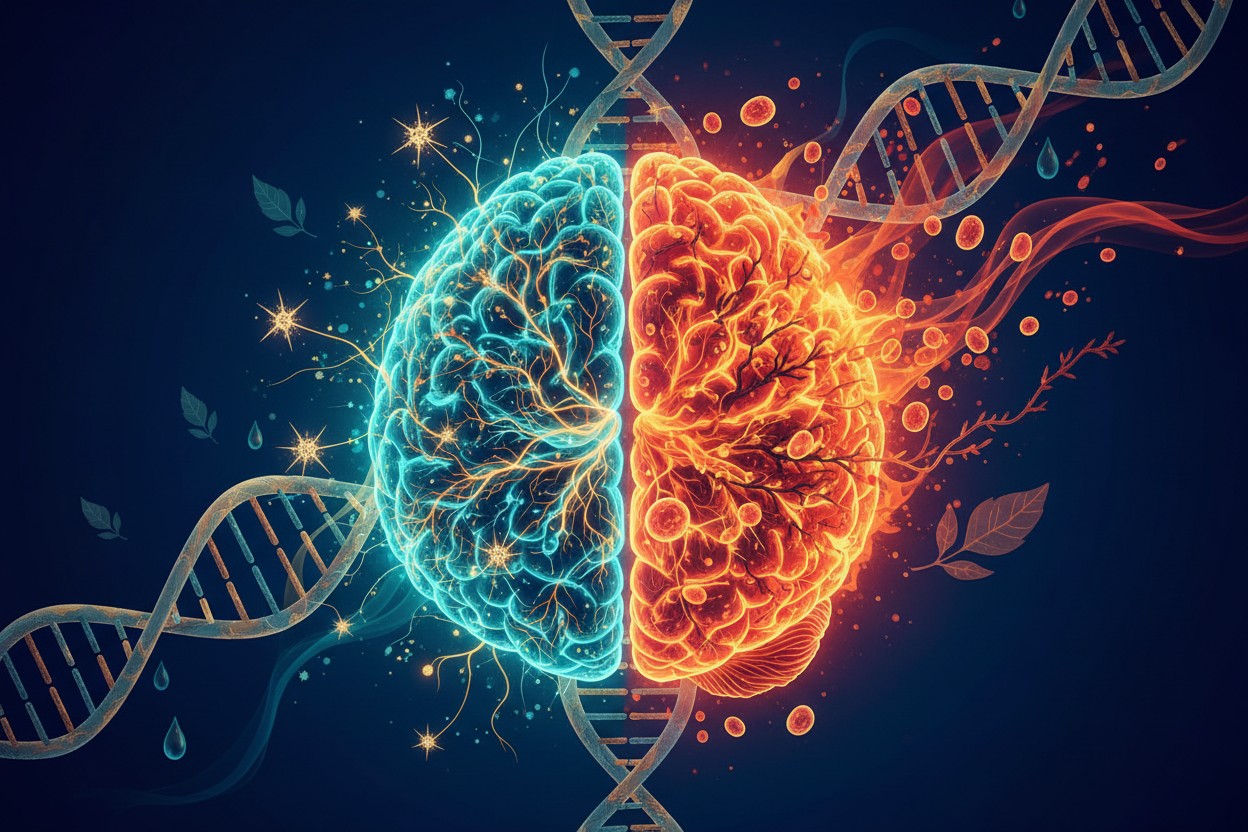
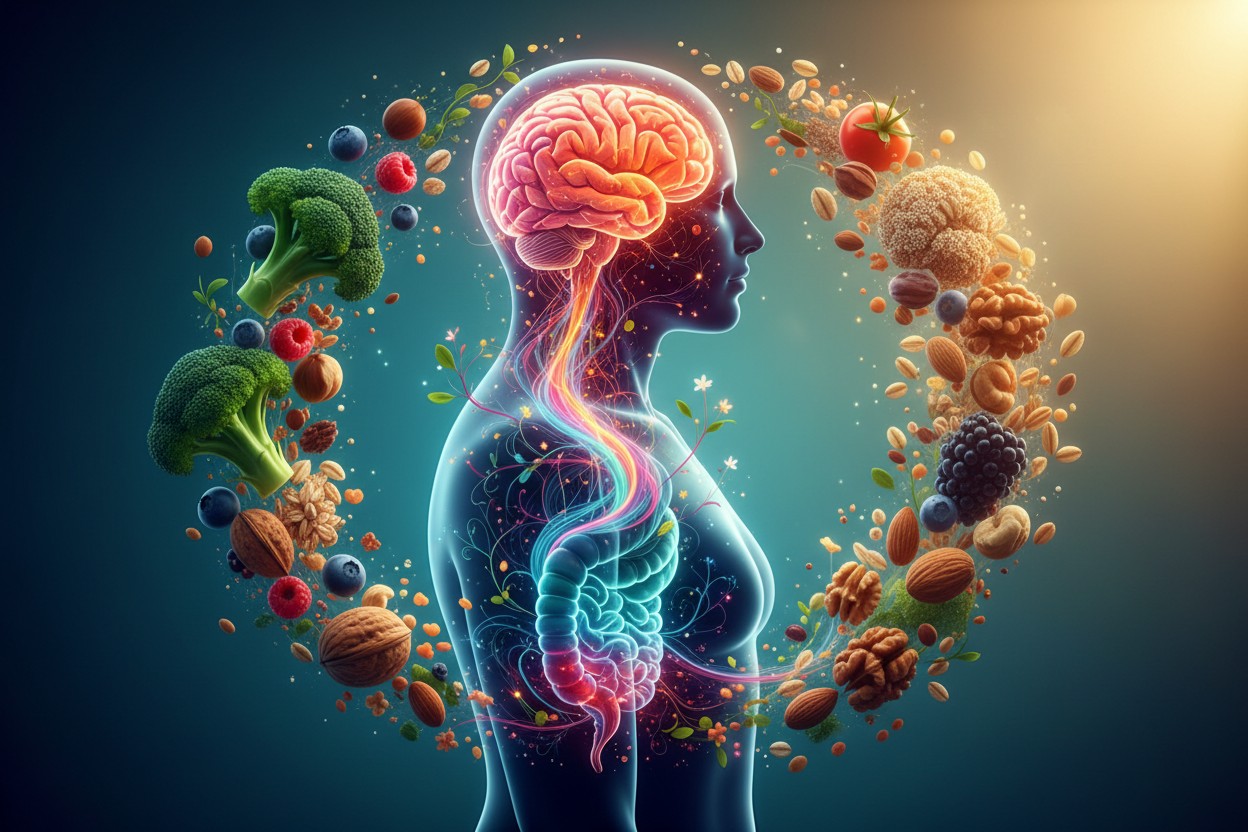
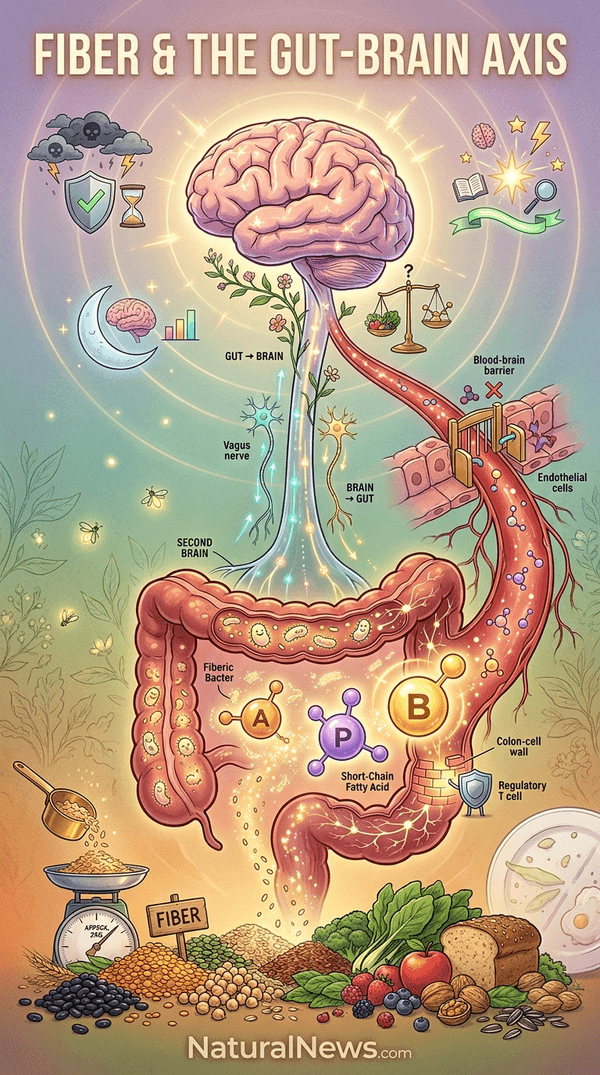
Researchers attribute the reported effects largely to the gut-brain axis, a two-way communication network between the digestive system and the brain. Communication between the gut and brain travels via nerves and body fluids along the vagus nerve, and over 90% of nerve pulses in that pathway carry messages from the gut to the brain, according to a report on gut-to-brain signaling [3]. The connection between the brain and the enteric nervous system enables bidirectional association between the brain and the gastrointestinal tract and links emotional and cognitive areas of the brain with peripheral intestinal functions, according to Quiet Emma in ‘How Vagus Nerve Therapy Can Improve Your Life’ [4].
The studies show association, not proven causation, and researchers accounted for other healthy habits such as exercise and fruit and vegetable consumption. ‘The evidence is consistent, but observational data do not prove fiber alone prevents cognitive decline,’ one study author said.
Gut–Brain Axis and Short-Chain Fatty Acids
The gut-brain axis consists of a network of nerves, hormones, immune cells, and neurotransmitters that allows the digestive system and the brain to exchange signals, according to researchers. The enteric nervous system is often called the ‘second brain,’ and it communicates back and forth with the central nervous system, according to Lindsay Maitland Hunt in ‘Help Yourself’ [5].
Trillions of gut microbes break down dietary fiber and produce short-chain fatty acids (SCFAs), according to researchers. Dietary fiber is fermented by gut bacteria into SCFAs, which have direct anti-inflammatory effects, according to a report on prebiotic foods [6]. Butyrate, a short-chain fatty acid produced when gut bacteria ferment dietary fiber, serves as an energy source for colon cells and as an important signaling molecule for immune regulation, according to a report on butyrate [7].
Reported functions of SCFAs include reducing inflammation and regulating immune responses, according to the same report [7]. ‘SCFAs appear to be a key signal between diet and brain health,’ a nutrition researcher said.
Fiber Intake Linked to Memory and Thinking Skills
Observational studies associate higher fiber intake with better memory, learning, attention, and processing speed, according to the reports. A 12-week randomized placebo-controlled trial found that daily consumption of 5 grams of partially hydrolyzed guar fiber improved visual memory, sleep quality, and mood in adults aged 60 and older, according to a report published on mindbodygreen.com by Molly Knudsen [8].
Several studies link higher fiber consumption with slower cognitive decline and a lower risk of dementia and Alzheimer’s disease, according to the two 2023 studies from Japan and Italy [1]. Fiber nourishes the gut microbiome and may fortify the brain against dementia, according to Lance D Johnson in NaturalNews.com [9].
Researchers said people who eat more fiber often exercise more and eat more fruits and vegetables, but the link persisted after adjusting for these factors. ‘We see a consistent pattern, but these are observational data,’ a cognitive health researcher said.
Fiber Consumption Associated With Lower Depression Risk
A study published in the journal Nutritional Psychiatry found that higher intakes of dietary fiber, folate, magnesium and selenium were each associated with significantly lower odds of depressive symptoms among U.S. adults, according to a report in NaturalNews.com [10]. Researchers analyzed data from 5,068 participants in the 2017-2018 National Health and Nutrition Examination Survey, and those in the highest intake groups had between 36% and 45% lower odds of depression compared with the lowest intake groups, according to the study authors [2].
Researchers have proposed that gut bacteria influence mental health through the microbiota-gut-brain axis. Research published in JAMA Psychiatry found that supplementing with probiotics led to greater improvements in symptoms of depression compared with a placebo and also relieved anxiety symptoms, according to a report by Mercola.com [11].
Fiber-rich diets have also been linked to better blood sugar regulation, according to reports on fiber and metabolic health [12]. ‘The reduction in depression risk is consistent across studies,’ one meta-analysis co-author said.
Fiber’s Role in Reducing Inflammation
Chronic low-grade inflammation is linked to memory loss, depression, and neurodegenerative diseases, according to researchers. New research published in Frontiers in Immunology found that consuming optimal amounts of fiber regularly reduces inflammation, which is at the heart of many bodily dysfunctions, according to a report by Mercola.com [13].
SCFAs produced from fiber fermentation help regulate the immune system and reduce inflammatory responses, according to the report on butyrate [7]. A University of Vienna study of 74 healthy adults found that higher gut microbial diversity was linked to stronger cortisol and stress responses during acute stress tests, and SCFAs produced by gut bacteria, particularly butyrate and propionate, appear to calibrate the stress response, according to the study [14].
‘Lowering chronic inflammation appears to support healthy brain aging,’ an immunology researcher said.
Dietary Recommendations for Increasing Fiber Intake
Dietary guidelines recommend that women aim for 25 grams of fiber per day and that men aim for 38 grams per day. Millions of adults in the U.S. fail to meet their daily dietary fiber requirements, and modern diets often lack adequate fiber, leading to chronic metabolic strain and disrupted digestive processes, according to a Children’s Health Defense report [15].
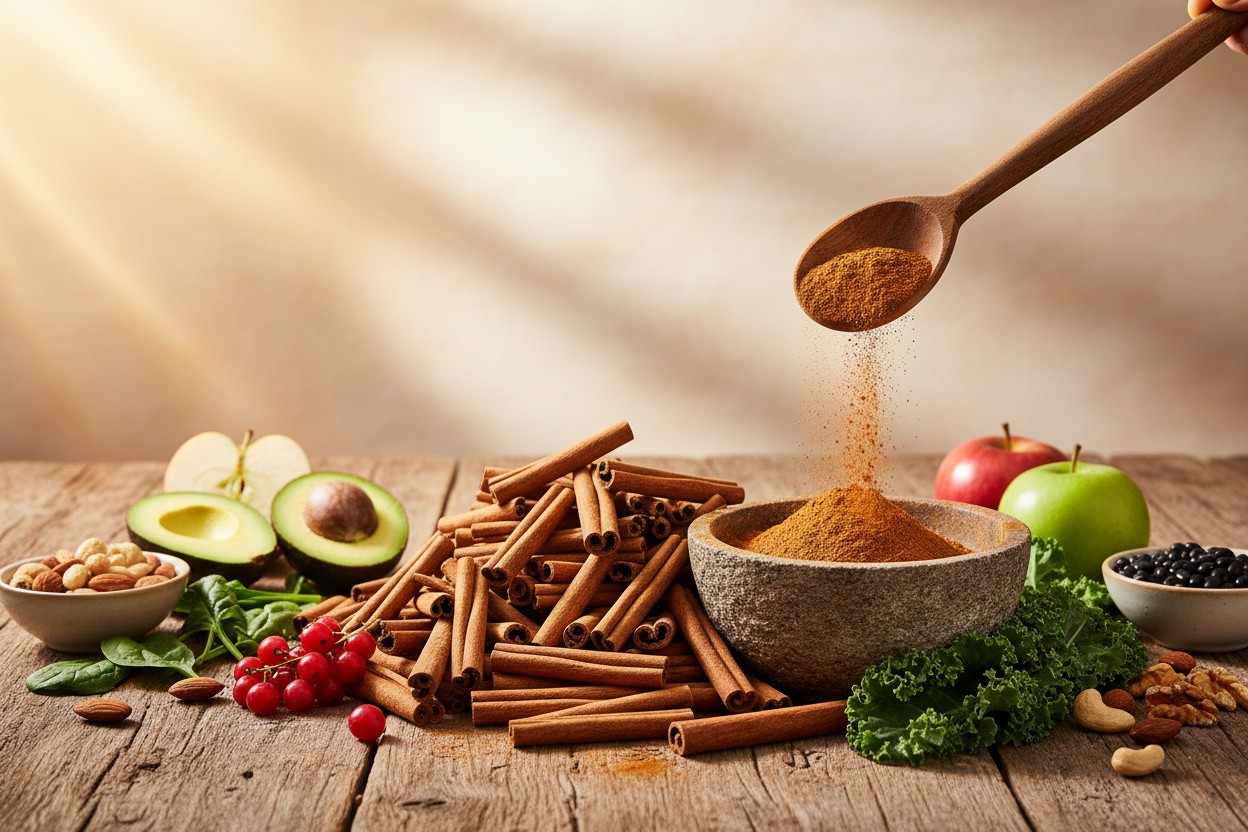
Fiber-rich foods include legumes, whole grains, vegetables, fruits, nuts, and seeds. Traditional diets in many regions incorporate whole, non-refined grains, dried lentils and beans, and fresh fruits and vegetables as staple foods, according to Heather Anne Wise in ‘A Gut Feeling’ [16].
Nutritionists recommend adding fiber gradually and drinking water to reduce gas and bloating. ‘Small changes, such as switching to whole grains or adding beans to meals, can add up over time,’ a dietitian said.
Conclusion
The accumulating evidence points to diet as a modifiable factor in brain health. Practitioners interviewed by independent media have said that addressing the root causes of imbalances through diet and lifestyle changes is essential for long-term health and well-being [17]. Some clinicians recommend a holistic approach that focuses on individual needs and reducing inflammation rather than relying only on standardized lab ranges, according to an interview with Diane Kazer [18].
Researchers said further clinical trials are needed to confirm whether fiber alone can prevent cognitive decline or improve mood. In the meantime, they said, increasing fiber intake is a low-risk dietary change with documented benefits for digestive and metabolic health.
References
- NaturalNews.com. “Fiber Intake Linked to Lower Dementia Risk, Two Studies Find”. July 27, 2026.
- NaturalNews.com. “Study Links Four Nutrients to Reduced Depression Risk in U.S. Adults”. May 25, 2026.
- NaturalNews.com. “Gut-to-Brain Signals May Influence Food Memory, Study Finds”. August 6, 2026.
- Quiet Emma. “How Vagus Nerve Therapy Can Improve Your Life”.
- Lindsay Maitland Hunt. “Help Yourself”.
- NaturalNews.com. “Prebiotic Foods Play Key Role in Gut Microbiome Health, Report Says”. May 27, 2026.
- Activist Post. “Butyrate’s Impact on Your Immune System”. May 3, 2026.
- NaturalNews.com. “Guar Fiber Supplementation Linked to Improvements in Sleep, Mood, and Memory in Older Adults, Study Finds”. May 13, 2026.
- Lance D Johnson. “Fiber Nourishes the Gut Microbiome, Protecting the Blood and Fortifying the Brain Against Crippling Dementia”. NaturalNews.com. January 22, 2026.
- Coco Somers. “Study Links Four Nutrients to Reduced Depression Risk in U.S. Adults”. NaturalNews.com. May 25, 2026.
- Mercola.com. “Can Probiotics Ease Major Depressive Disorder”. July 20, 2023.
- Lance D Johnson. “Fiber Helps Regulate Bowel Movements and PROTECTS Against DIABETES”. NaturalNews.com. July 31, 2025.
- Mercola.com. “Fiber Reduces Inflammation and Preserves Brain Function”. Mercola.com. October 1, 2018.
- NaturalNews.com. “Gut Bacteria May Shape How Your Body Responds to Stress, New Study Finds”. April 24, 2026.
- Children’s Health Defense. “Modern Diets Don’t Have Enough Fiber. Here’s Why That Matters”.
- Heather Anne Wise. “A Gut Feeling”.
- Mike Adams. “BBN Interview with Cohen vs Habib BU “. September 4, 2025.
- Mike Adams. “Mike Adams interview with Diane Kazer”. August 11, 2025.
Explainer Infographic
Submit a correction >>
Tagged Under:
aging secrets, alternative medicine, Alzheimer's, brain function, brain health, dementia, fiber, food cures, food is medicine, food science, gut, health science, natural cures, natural health, natural medicine, Naturopathy, nutrients, prevention, remedies, research
This article may contain statements that reflect the opinion of the author
RECENT NEWS & ARTICLES