The invisible ingredient: How eight common foods deliver a daily dose of plastic
08/04/2026 / By Ava Grace
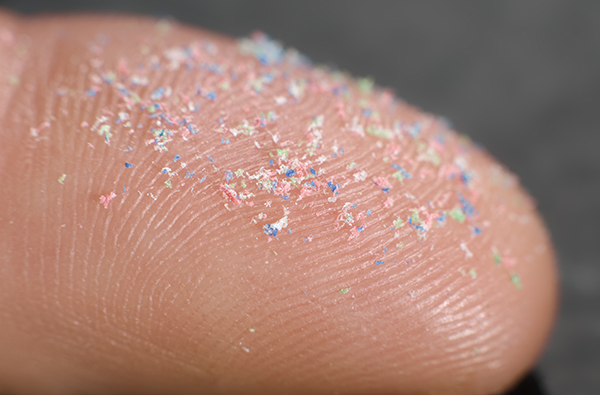
- Microplastics and nanoplastics are pervasive in the food chain, contaminating everyday items from bottled water and processed foods to pantry staples like rice and salt, making dietary exposure widespread.
- Bottled water is a major source, with a single liter containing hundreds of thousands of plastic fragments—primarily nanoplastics—that shed from the bottle itself and purification filters.
- The health impacts are concerning but not fully understood; nanoplastics can enter cells and bloodstreams, potentially causing inflammation and carrying harmful chemicals used in plastic manufacturing into the body.
- Key contamination pathways include plastic packaging, food processing equipment and hot beverages, where heat from tea bags or disposable cups accelerates the release of plastic particles.
- Exposure can be reduced by choosing alternatives: drink filtered tap water from reusable glass or steel containers, avoid storing/heating food in plastic and select minimally processed foods with less plastic packaging.
In kitchens and restaurants across the globe, a silent, pervasive ingredient is being unwittingly consumed with every meal and sip. It is not a spice, a preservative or a nutrient. It is plastic. A growing body of scientific evidence reveals that microplastics and their even smaller cousins, nanoplastics, have infiltrated the human food chain with startling ubiquity. For a public increasingly concerned about environmental and personal health, the revelation that everyday staples—from bottled water to table salt—are significant carriers of these synthetic particles presents a disturbing new reality. This is not a crisis confined to distant oceans; it is served on our plates.
The invisible aftermath
The issue stems from the very nature of modern plastic, a material celebrated for its durability but now revealing a dark legacy of perpetual fragmentation. Plastics do not biodegrade; they break apart into ever-smaller pieces. Microplastics are defined as particles smaller than five millimeters. When they splinter further, below one micrometer, they become nanoplastics, particles so minute they can cross cellular membranes. For decades, the focus was on visible plastic waste. Today, the invisible aftermath inside our bodies is coming into a troubling, albeit still blurry, focus.
The bottled water paradox
Perhaps the most jarring entry point is the very symbol of purity and convenience: bottled water. A landmark study published in January 2024 by researchers at Columbia University, using a sophisticated laser-imaging technique, found that a single liter of bottled water contains an average of 240,000 detectable plastic fragments. The vast majority, about 90%, were nanoplastics. This count is 10 to 100 times higher than previous estimates. The sources are twofold: the polyethylene terephthalate (PET) plastic of the bottle itself and, ironically, the polyamide nylon used in some water purification filters.
Beyond the bottle, the modern diet’s reliance on processed foods creates a major exposure pathway. Studies indicate that processed protein products, including both traditional items like chicken nuggets and newer plant-based alternatives, can expose an American adult to thousands of microplastic particles annually. The reasons are multifaceted: plastic packaging, conveyor belts in processing plants and the synthetic gloves worn by food handlers all contribute. Furthermore, the high-fat content of foods like cheese acts as a magnet for plastic’s chemical compounds.
The stealth contaminants in pantry staples
Some of the most surprising sources are foundational kitchen ingredients. Research suggests that for every half-cup of rice consumed, individuals ingest an estimated three to four milligrams of plastic, with highly processed instant rice containing the most. Table salt, particularly prized varieties, has been found in global studies to be widely contaminated, likely from environmental pollution and processing equipment. Even the act of grinding salt in a disposable plastic mill can release thousands of additional particles.
A morning ritual for millions is a direct delivery system for microplastics. Most commercial tea bags are made with plastic-based sealing materials. When steeped in boiling water, a single bag can release billions of micro- and nanoplastic particles. The disposable hot cup for coffee, lined with a thin plastic film to prevent leakage, similarly leaches plastic into the drink under heat.
A historical legacy of pollution
For over 70 years, plastic waste has degraded, fragmenting into particles that cycle through air, soil and water. Agriculture draws on this contaminated water; livestock ingest it; and processing plants utilize plastic at nearly every touchpoint. The food supply, therefore, reflects a planet now suffused with plastic dust.
The critical, and still unresolved, question is what this means for human health. Scientists have detected plastic particles in human blood, lung tissue, placenta and stool. The invasion is documented; the consequences are not. The unique danger of nanoplastics lies in their size, allowing them to potentially disrupt cellular function or carry toxic chemicals—used in plastic manufacturing—into the bloodstream. Since body temperature is higher than the environment, these chemicals can migrate out of the plastic particles inside us. The research community is racing to develop the tools needed to study these effects, but conclusive evidence of harm remains years away.
Navigating a plastic world
Microplastics are in the air we breathe. However, experts agree that strategic choices can significantly reduce dietary exposure. The first and most impactful step is to reconsider hydration. Switching from single-use plastic bottles to filtered tap water in a reusable glass or stainless-steel container dramatically cuts intake. In the kitchen, opting for loose-leaf tea, rinsing rice before cooking and choosing minimally processed foods over heavily packaged counterparts can reduce points of contact.
“Microplastics are solid plastic particles smaller than five millimeters,” said BrightU.AI‘s Enoch. “They primarily originate from the breakdown of larger plastic items or are manufactured as microbeads for products like cleansers and toothpaste. Common sources include synthetic textiles, food packaging and various household items.”
Material choices matter. Storing and reheating food in glass or ceramic, rather than plastic, prevents heat-accelerated leaching. Being mindful of packaging—selecting products in glass jars or cardboard over plastic clamshells—reduces a key source.
As science works to illuminate the health implications, individuals are empowered not by panic, but by informed choice—selecting products and practices that minimize their daily consumption of a material that has, quite literally, become part of the meal.
Watch and discover just how microplastics have invaded our bodies.
This video is from the Pure Trauma channel on Brighteon.com.
Sources include:
Submit a correction >>
Tagged Under:
Bottled Water, cheese, clean food watch, coffee cup, cooked rice, dangerous, food science, food supply, grocery, health science, microplastics, nanoplastics, PET plastic bottle, products, research, stop eating poison, Table Salt, tea bags, toxic chemicals, toxic ingredients, toxins
This article may contain statements that reflect the opinion of the author
RECENT NEWS & ARTICLES