Get to know buckwheat: The gluten-free “superseed” that offers incredible health benefits
06/29/2026 / By Evangelyn Rodriguez
- Buckwheat has a low glycemic index and slower-digesting carbohydrates, and improves insulin resistance, reducing diabetes risk.
- Buckwheat helps lower total and LDL cholesterol, while magnesium, fiber, rutin and quercetin regulate blood pressure, reduce inflammation and protect blood vessels.
- Both insoluble and soluble fiber in buckwheat support bowel regularity and gut microbiome; flavonoids like rutin and quercetin may slow cancer cell growth.
- Its high fiber and protein content promotes satiety and stable blood sugar, aiding weight loss; rutin may also contribute to fat reduction.
- Naturally gluten-free, buckwheat is packed with protein, fiber, manganese, magnesium and essential amino acids.
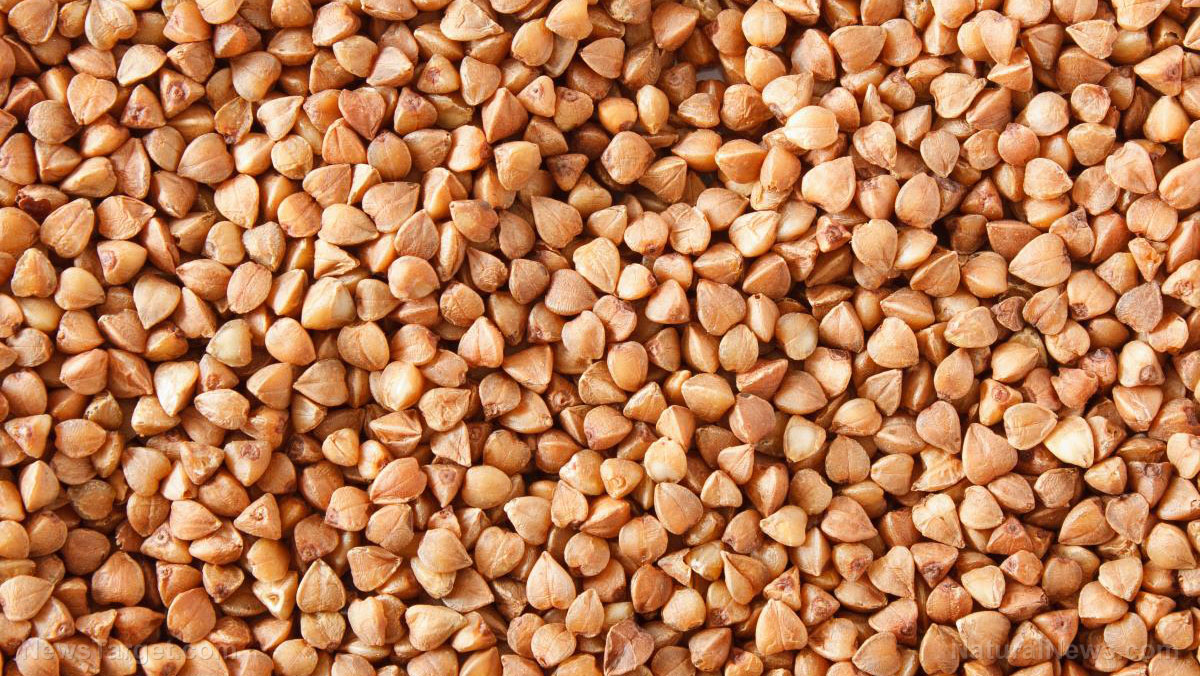
Buckwheat, despite its misleading name, is not wheat but a gluten-free seed related to quinoa and amaranth. According to a growing body of research, buckwheat’s benefits extend far beyond its status as a safe alternative for those with celiac disease. From blood sugar regulation to heart health and even cancer protection, buckwheat offers measurable advantages for anyone seeking to improve their diet. The question is not whether buckwheat is healthy, but why more people aren’t eating it.
A blood sugar stabilizer for the modern diet
Perhaps the most compelling case for buckwheat comes from its effect on blood sugar. The seed carries a relatively low glycemic index, meaning it does not cause the rapid spikes in blood glucose that many refined grains trigger. Over time, consistently high blood sugar levels can lead to Type 2 diabetes, a condition affecting tens of millions of Americans. Research has shown that individuals with Type 2 diabetes who consumed buckwheat experienced lower insulin levels and improved insulin resistance.
This matters because insulin resistance is the underlying mechanism that makes diabetes difficult to manage. The slower digestion of buckwheat’s carbohydrates—specifically the starches amylose and amylopectin—produces more gradual rises in blood sugar, offering a built-in regulatory mechanism that processed grains simply cannot match.
Heart protection in a bowl
Cardiovascular disease remains the leading cause of death in the United States, and diet plays a central role in either increasing or reducing risk. Buckwheat has demonstrated an ability to lower total cholesterol and low-density lipoprotein cholesterol, the so-called “bad” cholesterol that contributes to arterial plaque buildup. Studies have consistently found that reducing cholesterol levels decreases the likelihood of heart attack, stroke and the need for cardiac surgery.
But buckwheat’s heart benefits do not stop with cholesterol. The seed contains magnesium, fiber and two important plant compounds—rutin and quercetin—that work together to protect cardiovascular health. Magnesium helps regulate blood pressure, fiber binds to cholesterol in the digestive tract, and rutin and quercetin act as antioxidants that reduce inflammation and protect blood vessels from damage. For a single food to address multiple risk factors simultaneously is uncommon, and it positions buckwheat as a practical addition to any heart-healthy diet.
Digestive health and cancer prevention
The fiber in buckwheat serves dual purposes that extend beyond heart health. Buckwheat contains both insoluble and soluble fiber, each playing a distinct role in digestion. Insoluble fiber helps move food through the digestive tract, preventing constipation and promoting regularity. Soluble fiber feeds beneficial gut bacteria, supporting the microbiome that researchers now understand is critical to overall health.
But the fiber connection also touches on cancer prevention. A diet rich in fiber has been linked to a lower risk of colorectal cancer, and buckwheat’s specific combination of fiber and antioxidant compounds may offer additional protection. Laboratory studies have suggested that the flavonoids in buckwheat—particularly rutin and quercetin—can slow the growth of cancer cells and reduce inflammation caused by free radicals. While these findings come from controlled settings rather than large-scale human trials, they align with broader nutritional research linking plant-based diets to reduced cancer risk.
Weight management and satiety
Weight control remains one of the most persistent health challenges in the United States, and buckwheat offers a practical tool for those trying to manage their calorie intake. The seed is rich in both fiber and protein, two nutrients that promote feelings of fullness and reduce the likelihood of overeating. According to BrightU.AI‘s Enoch engine, when the body digests buckwheat slowly, blood sugar remains stable, preventing the energy crashes that often trigger cravings for sugary snacks.
One study found that participants who incorporated buckwheat into their diet for eight weeks lost significantly more weight than those in a placebo group, with researchers noting that rutin appeared to play a role in weight reduction. This makes buckwheat particularly useful for anyone seeking sustainable weight management without resorting to extreme restriction.
A gluten-free option that delivers nutrition and versatility
Buckwheat, naturally free of gluten, delivers substantial protein, fiber and essential minerals. One cup of cooked buckwheat contains 156 calories, nearly 6 grams (g) of protein and more than 4.5 g of fiber. It also provides magnesium, iron and copper—nutrients that are often lacking in gluten-free diets. With only 1 g of fat and no cholesterol, buckwheat fits comfortably into a wide range of dietary patterns. However, consumers with celiac disease should check labels carefully, as some buckwheat products may contain traces of wheat due to cross-contamination during processing. Certified gluten-free labels offer the safest option.
Buckwheat is versatile and widely available in several forms. Groats can be cooked like rice or oatmeal and served as a hot breakfast cereal or a side dish. Buckwheat flour works well as a substitute for white flour in pancakes, muffins and breads. Buckwheat noodles, commonly called soba noodles, can be added to soups, salads or stir-fries. Buckwheat flakes can be sprinkled over yogurt or granola, and toasted groats add crunch to salads.
Buckwheat is generally safe for most people, but some individuals have allergic reactions to buckwheat that can range from mild itching to severe difficulty breathing. Eating large quantities can cause digestive discomfort, including gas and bloating. Because buckwheat can slightly alter blood sugar and blood pressure levels, people with diabetes or hypertension should monitor their condition when adding buckwheat to their diet. These precautions are manageable for most consumers and should not overshadow the substantial health benefits the seed offers.
Buckwheat represents a rare convergence of nutritional density, scientific validation and culinary versatility. It offers significant health benefits and provides a safe option for those avoiding gluten—all while delivering protein, fiber and essential minerals in a single serving. In a world where dietary choices carry real consequences for long-term health, buckwheat deserves a permanent place in the pantry.
Watch the video below to learn more about buckwheat’s uses and benefits.
This video is from the Holistic Herbalist channel on Brighteon.com.
Sources include:
Submit a correction >>
Tagged Under:
antioxidants, blood sugar, buckwheat, digestion, food cures, food is medicine, food science, gut health, health science, heart health, natural cures, natural health, natural medicine, Naturopathy, nutrients, nutrition, organics, prevention, seeds, weight loss
This article may contain statements that reflect the opinion of the author
RECENT NEWS & ARTICLES