Green Tea Extract May Increase Fat Oxidation During Exercise, Study Finds
06/22/2026 / By Petra Stone

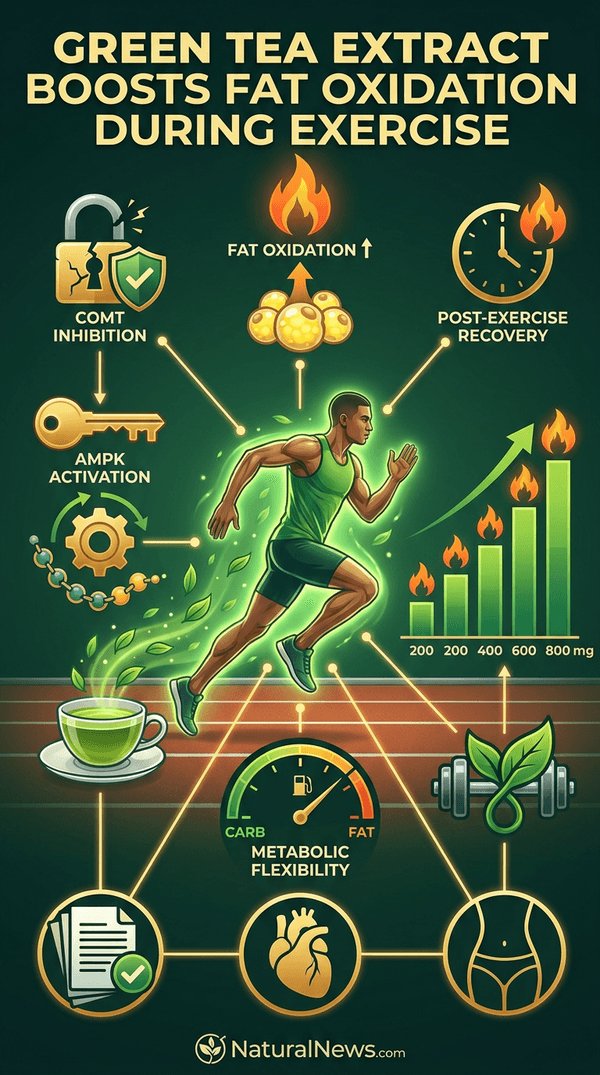
A new meta-analysis of randomized controlled trials has found that supplementation with green tea extract can increase the rate at which the body burns fat during and after exercise, according to a review published in a peer-reviewed nutrition journal. The analysis, which pooled data from nine randomized controlled trials, examined how green tea extract affects substrate oxidation — the process by which the body uses carbohydrates or fats for energy. Researchers reported that participants who consumed green tea extract showed significantly higher fat oxidation both during exercise and in the post-exercise recovery period compared to control groups. The findings add to a growing body of evidence that green tea compounds, particularly catechins like epigallocatechin-3-gallate (EGCG), may support metabolic health by shifting fuel utilization toward fat. Earlier studies have also confirmed that green tea extract can increase fat oxidation and improve insulin sensitivity in healthy young adults, according to reporting by Mercola.com [1].
Study Methodology and Key Results
The meta-analysis reviewed data from nine randomized controlled trials that examined the effect of green tea extract supplementation on substrate oxidation during exercise. Researchers measured rates of fat oxidation and carbohydrate oxidation during exercise sessions and during the subsequent recovery period. The analysis also included a dose-response assessment to determine whether higher doses of green tea extract produced greater effects. According to the findings, participants who took green tea extract burned more fat during exercise and continued to show elevated fat oxidation after exercise had ended. In addition, carbohydrate oxidation decreased during the post-exercise recovery period in the green tea group, indicating a shift away from carbohydrate use and toward greater fat utilization. A prior study involving 12 healthy men who performed a 30-minute cycling exercise before and after taking green tea extract similarly found increased fat oxidation rates, as reported by Mercola.com [1]. The consistency of these results across multiple trials strengthens the evidence that green tea extract can influence fuel selection during physical activity, according to the researchers.
Research published in the book “Antioxidants in Sport Nutrition” by Manfred Lamprecht cited a study by Ichinose et al. (2011) that examined the effect of endurance training supplemented with green tea extract on substrate metabolism during exercise in humans, finding that green tea extract altered fuel utilization patterns [2]. These results align with the conclusions of the new meta-analysis, suggesting that green tea extract may be a useful adjunct for individuals seeking to enhance fat oxidation during exercise.
Metabolic Flexibility and Health Implications
The concept of metabolic flexibility — the body’s ability to efficiently switch between burning carbohydrates and fats for energy depending on availability and demand — is a key marker of metabolic health, according to researchers. Impaired metabolic flexibility has been linked to insulin resistance, poor blood sugar control, and increased risk of chronic disease. The findings from the meta-analysis suggest that green tea extract may support metabolic flexibility by promoting greater fat utilization during and after exercise. Green tea compounds such as EGCG and other polyphenols are known to influence energy metabolism. As noted in the book “How Not to Diet” by Michael Greger, green tea supplementation has been shown to affect body weight, lipids, and lipid peroxidation in obese subjects with metabolic syndrome [3]. Additionally, the book “The best kept secrets to healthy aging” lists “supports healthy metabolism” among the top benefits of drinking green tea [4].
A separate review of research published on NaturalNews.com noted that tea polyphenols act as prebiotics and influence metabolic function, including how the body processes fats and carbohydrates [5]. While the meta-analysis did not directly measure weight loss, improving the body’s ability to oxidize fat is considered a positive step toward better metabolic efficiency. Researchers emphasized that green tea extract should be viewed as one component of a broader strategy for metabolic health, not a standalone solution.
Dose-Response and Practical Considerations
The dose-response analysis conducted as part of the meta-analysis indicated that higher doses of green tea extract were associated with greater increases in post-exercise fat oxidation, according to the study authors. The report did not specify an exact optimal dosage, but the effect was measurable across the range of doses used in the included trials. This suggests a potential dose-dependent relationship, though further research is needed to establish precise intake recommendations for athletic or general populations. The study did not examine weight loss directly, but improved fat oxidation is considered a component of metabolic health, according to the authors.
Earlier research cited by Mercola.com noted that even a single dose of green tea extract could increase fat oxidation rates during exercise [1]. An article on NaturalNews.com discussing the role of green tea for athletes highlighted that green tea catechins may support endurance and fuel efficiency, making it a popular supplement among active individuals [6]. However, researchers caution that green tea extract should be viewed as a supporting factor rather than a primary intervention. The effect occurs on top of exercise and a healthy diet, not in place of them. As with any supplement, quality and standardization of the extract are important considerations.
Conclusion: Role of Lifestyle and Exercise
The meta-analysis provides evidence that green tea extract can modestly increase fat oxidation during and after exercise, but researchers were clear that this effect occurs as an adjunct to — not a replacement for — regular physical activity and healthy lifestyle habits. The foundation for metabolic health remains built on consistent strength and cardiovascular training, adequate protein intake, quality sleep, stress management, and a nutrient-dense diet. Green tea extract may offer a modest boost, but it is best viewed as a supporting player.
A review of research on NaturalNews.com noted that tea is not a quick weight loss solution but may support weight management when combined with diet and exercise [7]. Similarly, the book “How Not to Diet” by Michael Greger referenced studies showing that green tea supplementation can affect body weight and lipid profiles in the context of broader dietary changes [3]. The authors of the meta-analysis concluded that green tea extract can be a useful adjunct to an already healthy lifestyle, particularly for those looking to optimize fuel utilization during exercise. However, they stressed that daily habits are the primary drivers of long-term metabolic health.
References
- Mercola.com. “Bet You Didnt Know This Drink Can Help You D”. March 25, 2008
- Manfred Lamprecht. “Antioxidants in Sport Nutrition”.
- Michael Greger. “How Not to Diet”.
- Purity Research Department. “The best kept secrets to healthy aging”.
- NaturalNews.com. “Green Tea’s health benefits extend to gut, metabolism and mood”. June 8, 2026.
- NaturalNews.com. “Why green tea is an important supplement for athletes”. April 24, 2019.
- NaturalNews.com. “Research Indicates Certain Teas May Support Weight Management”. March 9, 2026.
Explainer Infographic
Submit a correction >>
Tagged Under:
Ancient medicine, antioxidants, cures, fats, fight obesity, fitness, Green tea, healing, health science, Herbs, longevity, natural cures, natural health, natural medicine, natural remedies, physical activity, prevention, remedies, research, scientific
This article may contain statements that reflect the opinion of the author
RECENT NEWS & ARTICLES