Study: Both Caffeinated and Decaf Coffee Linked to Improved Mood, Memory and Stress Reduction
05/24/2026 / By Chase Codewell
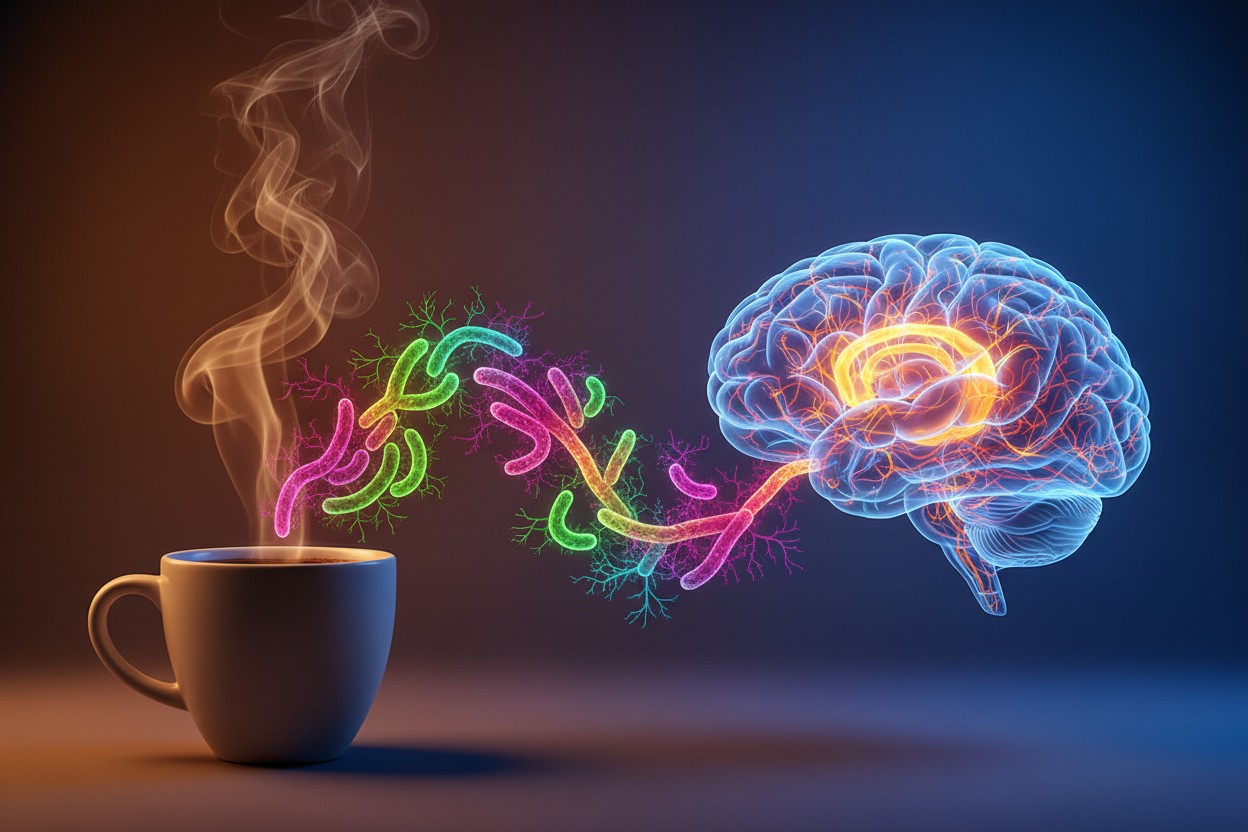
A randomized crossover trial published in Nature Communications found that both caffeinated and decaffeinated coffee consumption led to improvements in mood, memory and stress levels in healthy adults, according to the study.
Researchers observed changes in gut microbiome composition and metabolite production that may explain the effects, the report stated. The trial involved three phases: a period of regular coffee consumption, a washout phase where participants stopped drinking coffee, and a reintroduction phase where they received either caffeinated or decaffeinated coffee. The study compared 31 regular coffee drinkers, defined as those who typically consume three to five cups per day, according to the research [1].
Study Design and Methods
The study used a randomized crossover design where participants served as their own controls, enhancing the reliability of the results, researchers said [2]. Healthy adults underwent cognitive tests measuring attention, memory, and mental flexibility, and self-reported mood, stress, and emotional reactivity [1].
Gut microbiome was analyzed via advanced sequencing techniques, and metabolites were tracked to assess involvement of the gut-brain axis, the communication network linking the digestive system and the brain. The study aimed to understand how coffee might be working through this pathway [2].
Cognitive and Mood Effects
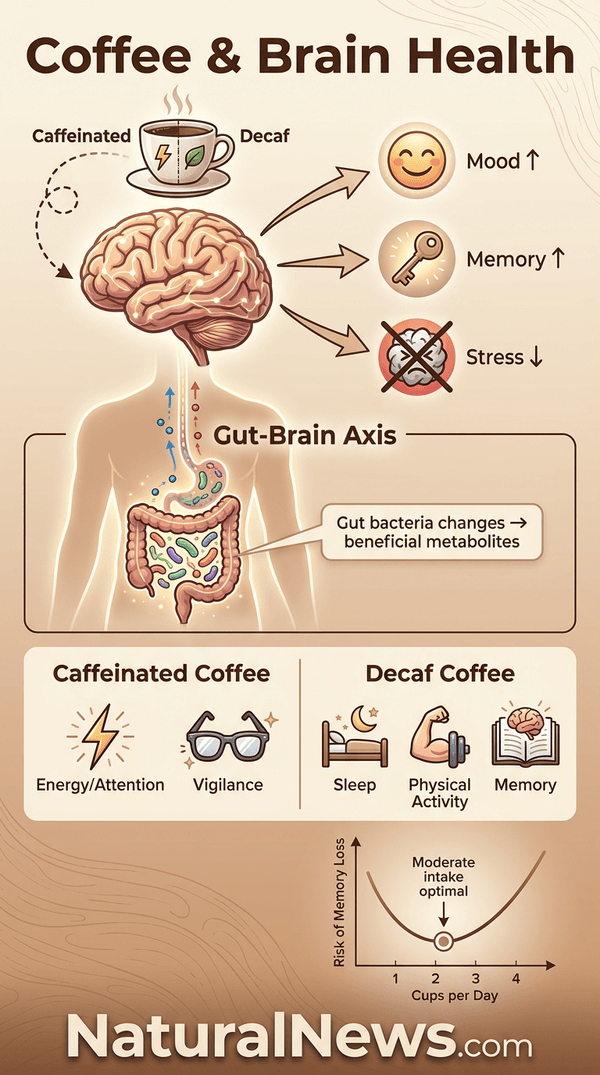
Both caffeinated and decaf coffee consumption after the washout period led to lower reported stress, fewer depression symptoms and reduced impulsivity, according to the report. Caffeinated coffee was associated with reduced anxiety and improved attention and vigilance, consistent with its known stimulant properties [1]. Decaf coffee, meanwhile, was linked to better sleep, improved memory and learning, and higher physical activity levels, the study stated [1].
Dr. Steven Masley, author of “The Better Brain Solution,” has noted a J-shaped curve relationship between coffee consumption and risk of memory loss, with the lowest risk in people drinking one or two cups per day, based on an analysis of several studies involving more than 34,000 participants [3]. However, some experts warn that caffeine can contribute to anxiety and sleep disruption in sensitive individuals, with Dr. Andrew Weil advising those suffering from anxiety to eliminate all forms of caffeine to assess its effects [4].
Gut Microbiome Changes
Coffee intake altered the composition of gut bacteria, increasing certain species and shifting the production of metabolites linked to brain health and inflammation, officials said [2]. These metabolite changes, including compounds that regulate mood and cognition, occurred with both caffeinated and decaf coffee, researchers noted [1]. The findings suggest coffee’s effects on the gut-brain axis may operate independently of caffeine, according to the study [2].
Dr. Bob Arnot, author of “The Coffee Lovers Diet,” has highlighted that high-phenol decaf coffee can provide antioxidant and anti-inflammatory benefits, with individuals reporting improved energy and reduced aches and pains after switching to strict high-phenol decaf [5].
Implications and Context
The research broadens understanding of coffee’s mechanisms beyond caffeine, involving polyphenols and gut microbial interactions, the report stated. Decaf coffee offers similar gut and mood benefits without stimulant effects, making it a viable option for caffeine-sensitive individuals, according to researchers [2].
Previous studies have linked coffee to a reduced risk of dementia and stroke. A Harvard-led study published in JAMA found that moderate coffee and tea consumption is linked to a 28% lower risk of dementia and a 32% lower risk of stroke [6].
Additionally, research from Tufts University found that drinking two to three cups of coffee daily slashed the risk of early death by 15 to 17%, though the benefits vanished when sugar was added [7]. The current study adds to evidence that coffee’s complex compound mix may contribute to long-term brain and metabolic health through gut-mediated pathways, authors concluded [1].
References
- NaturalNews.com. “Study: Coffee Consumption Alters Gut Microbiome and Affects Mood, Cognition.” May 11, 2026.
- NaturalNews.com. “Study: Both Caffeinated and Decaffeinated Coffee Linked to Mood Improvement and Stress Reduction via Gut-Brain Axis.” May 5, 2026.
- Dr Steven Masley. “The Better Brain Solution How to Start Now At Any Age.”
- Andrew Weil. “Spontaneous Happiness A New path to Emotional Well-Being.”
- Dr Bob Arnot. “The Coffee Lovers Diet.”
- Ramon Tomey. “Major study reveals the power of coffee and tea in preventing DEMENTIA.” NaturalNews.com. February 18, 2026.
- Cassie B. “Black coffee linked to longer life but sugary drinks cancel benefits study finds.” NaturalNews.com. June 17, 2025.
Explainer Infographic:
Submit a correction >>
Tagged Under:
anxiety relief, beat depression, caffeinated, Censored Science, coffee, decaf, dementia, food, food science, gut microbiome, gut-brain axis, longevity, memory, metabolic health, microbiome, mood, natural cures, natural health, polyphenols, prevention, remedies, research, stress, stroke
This article may contain statements that reflect the opinion of the author
RECENT NEWS & ARTICLES