Study: Brisk Walking Pace of 14 Extra Steps Per Minute Improves Physical Function in Older Adults
05/10/2026 / By Edison Reed
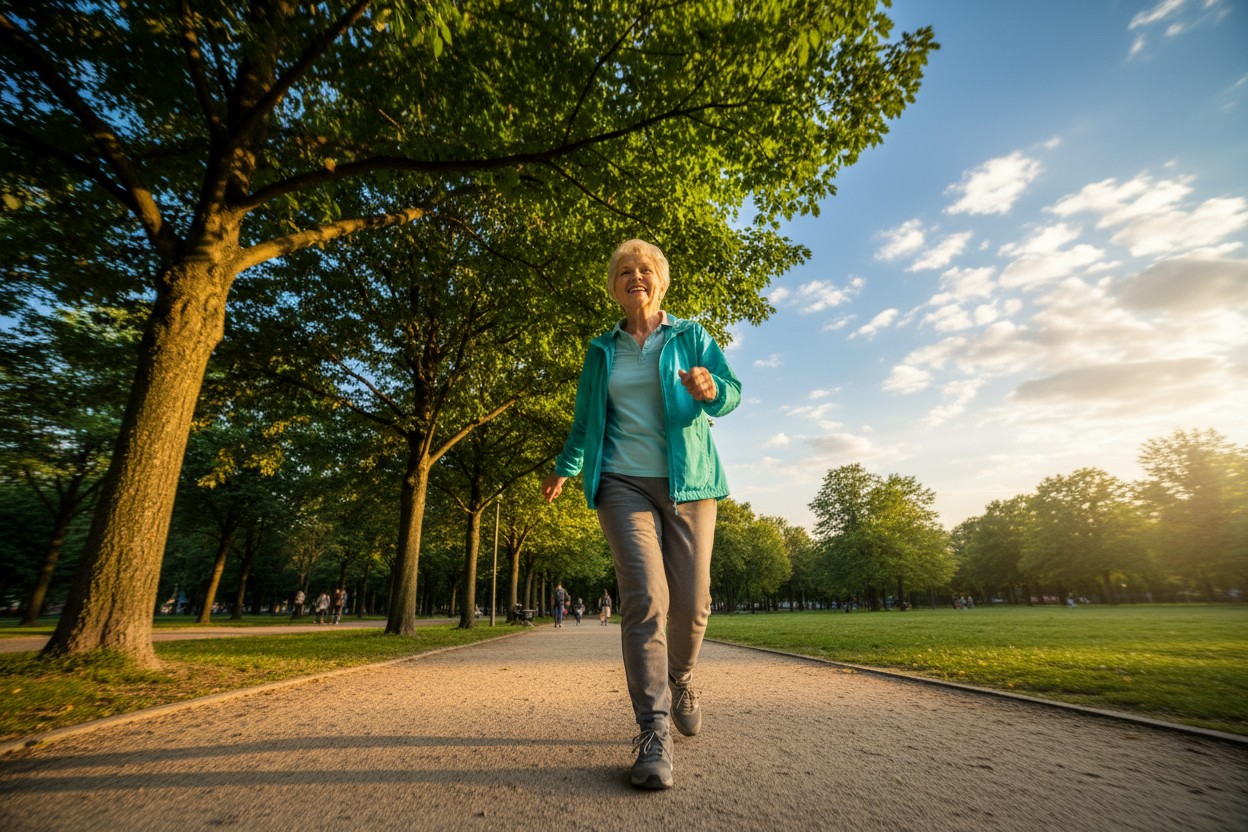
A study published in PLOS ONE has found that increasing walking pace by 14 steps per minute can improve physical function in older adults, according to researchers. The 12-week intervention involved frail and prefrail residents of retirement communities who were asked to walk as fast as safely possible. [1][2]
The study, which included approximately 100 participants, compared those walking at their usual pace to those instructed to increase their cadence. The results showed measurable gains in endurance and functional capacity, researchers reported. [2]
Study Design and Participants
Researchers from an institution not named in the report enrolled older adults living in retirement communities. Participants were classified as frail or prefrail based on criteria such as energy levels, strength, and physical activity. [2]
All participants engaged in regular walking, but one group was told to maintain their normal pace while the other group was encouraged to walk “as fast as safely possible.” The increase in steps per minute averaged about 14, representing a 10–15% boost in cadence. [1]
Functional fitness tests, which are designed to assess mobility and independence in older adults, were used to measure outcomes. According to the book “Prevention Practice and Health Promotion,” such tests are more sensitive than traditional cardiorespiratory measures for those at risk of functional dependence. [3]
Findings: 14 Steps Per Minute Increase Leads to Measurable Gains
After 12 weeks, the group that increased their walking pace showed improved performance on the 6-minute walk test, a standard measure of endurance and functional capacity. According to the study authors, the improvement was significant compared to the control group. [1]
The findings indicate that even a modest increase in walking speed can translate to better real-world mobility. Seniors who walked briskly saw a 65 percent improvement in mobility, according to a report on the study. [1]
The results suggest that pace, rather than volume, may be a key factor in maintaining physical function in aging populations.
Application and Recommendations from the Study
The study offers practical recommendations for incorporating a faster walking pace into daily routines. Participants used step counters or metronome apps to maintain a steady, slightly faster beat. [2]
Walking sessions of 20 to 30 minutes, several times per week, were emphasized for consistency. The book “2 Weeks to a Younger Brain” notes that gradually increasing pace over time helps build cardiovascular stamina and lower extremity strength, reducing the risk of injury. [4]
The intervention is designed to be accessible to older adults of varying fitness levels. It does not require special equipment or significant lifestyle changes.
Implications for Aging and Mobility
The study highlights that even individuals starting at low fitness levels can safely increase their walking pace. This approach may help preserve independence and reduce frailty in older adults, with research showing that physical activity becomes more critical with age. [5]
Simple interventions like brisk walking offer an alternative to pharmaceutical approaches for maintaining mobility. While medications are often prescribed for age-related decline, this study supports the use of natural, low-cost strategies.
Maintaining physical activity into old age has been linked to better cognitive function, lower risk of chronic disease, and improved quality of life, studies show. [6]
References
- A simple solution for seniors: Walking faster fights frailty and preserves independence. NaturalNews.com. Ava Grace. July 23, 2025.
- This Easy Walking Hack Can Help You Feel Stronger All Day, Study Finds. mindbodygreen. Ava Durgin. May 02, 2026.
- Prevention Practice and Health Promotion. Rush Thompson PhD MS PT Catherine.
- 2 Weeks to a Younger Brain. Gary Small and Gigi Vorgan.
- Study finds that exercise becomes more critical as you age with 150 daily minutes of movement necessary for a healthy life. NaturalNews.com. Lance D. Johnson. August 06, 2025.
- Just 5 minutes a day: How a quick walk can sharpen your brain as you age. NaturalNews.com. Ava Grace. August 18, 2025.
Submit a correction >>
Tagged Under:
active lifestyle, aging, brisk walking, brisk walking pace, Censored Science, exercise, fitness, health science, lifestyle, longevity, Men's Fitness, men's health, natural, natural health, prevention, research, slender, Women's Fitness, women's health
This article may contain statements that reflect the opinion of the author
RECENT NEWS & ARTICLES