Kennedy Announces Nutrition Education Initiative for Medical Schools
03/09/2026 / By Morgan S. Verity

Introduction
U.S. Health Secretary Robert F. Kennedy Jr. announced this week that 53 medical schools have agreed to significantly expand nutrition education for future doctors, beginning with the 2026-27 academic year. The voluntary initiative, backed by $5 million in funding, involves schools across 31 states and marks a central effort by the Trump administration to address chronic disease by shifting medical training toward prevention. Officials said the move aims to close a long-standing gap in physician education.
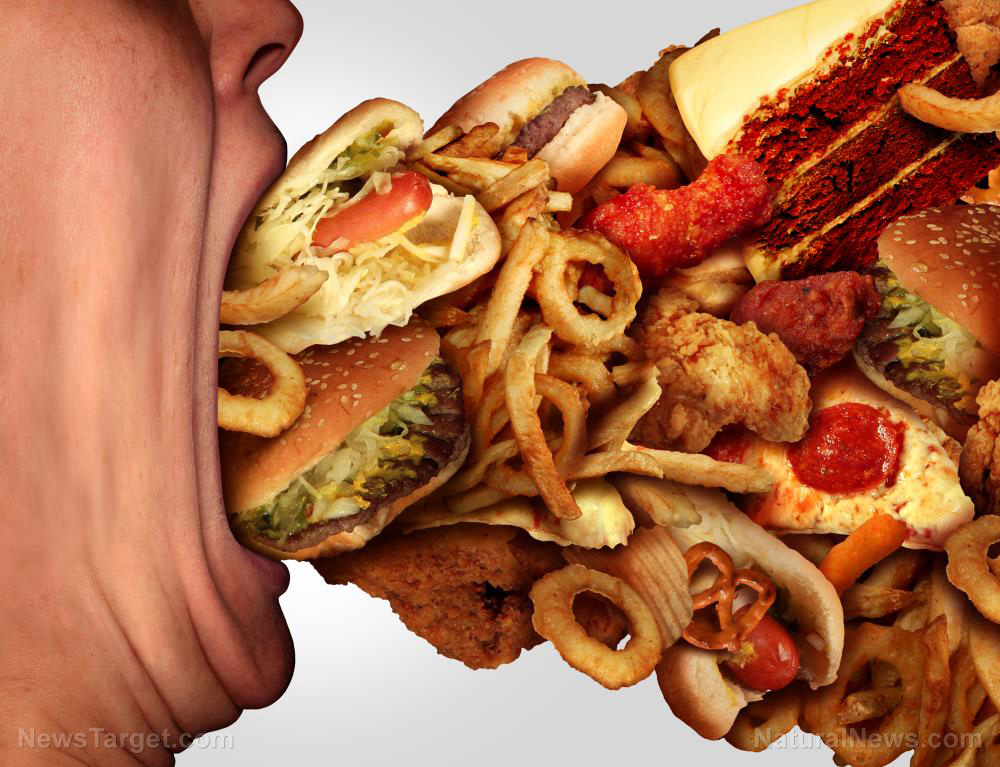
Kennedy framed the announcement as a critical step in confronting a national health crisis. “Chronic disease is bankrupting our health system, and poor nutrition sits at the center of that crisis,” Kennedy said in a statement [1]. The Department of Health and Human Services cited data showing the U.S. spends $4.4 trillion annually to treat chronic disease and mental health, describing the situation as a “preventable disease crisis” [2].
More Than 50 Medical Schools to Add Nutrition Training
The participating institutions have committed to offering a minimum of 40 hours of nutrition education or a competency-based equivalent, starting in the fall of 2026 [2]. According to HHS, 53 schools have agreed to the new requirements as of March 5, 2026 [1]. The initiative is not mandated by medical accreditation bodies but was adopted voluntarily by the schools following a push from the federal government.
Stephanie Fleming, director of communications for the University of Missouri School of Medicine, said the program addresses a national deficiency. “This initiative addresses a national gap in medical education,” Fleming told The Defender. “Physicians have historically received very little formal training in nutrition” [2]. The $5 million in federal funding will support the development and implementation of the new curricula across the participating schools.
Structure of the New Curriculum
Schools are to design their courses around a framework of 71 core nutrition competencies developed by HHS [2]. Foundational competencies include identifying nutrient-deficient states and developing healthy dietary patterns for patients with chronic diseases, according to an HHS fact sheet [2]. The 40-hour requirement represents a substantial increase from the historical average of nutrition instruction reported in medical schools.
The curriculum is structured to be integrated into existing coursework rather than operating as a standalone mandate. Officials said the competency framework allows for flexibility in how schools meet the 40-hour target, which can be achieved through lectures, clinical rotations, or other educational modules. The initiative does not carry the force of law or a threat to accreditation, relying instead on institutional commitment to change [3].
Official Rationale and Support
Administration officials and supporting physicians directly linked the initiative to the economic and human toll of chronic illness. HHS data indicate that 1 million Americans die from food-related chronic illnesses each year [2]. Improving nutrition education is a key tenet of Kennedy’s “Make America Healthy Again” platform, which was outlined in a September 2025 report by a White House commission [2].
Several doctors endorsed the policy shift. Dr. George Fareed, a family medicine physician, said, “It will have only positive benefits for Americans’ health in the future. Nutrition is key to longevity and wellness. Doctors will be better prepared to educate their patients on proper nutrition” [2]. Dr. Kat Lindley, another family medicine physician, connected the effort to Kennedy’s January revision of national dietary guidelines, stating, “Between the revision of the food pyramid and this initiative, my hope is that we will be able to reverse decades of bad nutrition and the epidemic of chronic diseases” [2].
Historical Lack of Nutrition Education
Surveys and physician testimonials consistently show nutrition has been a minor component of medical training for decades. A 2015 survey found that U.S. medical students spent, on average, 19 hours on nutrition education over four years of medical school [2]. A more recent 2022 survey published in the Journal of Wellness found medical students reported receiving an average of just 1.2 hours of formal nutrition education each year [2].
Doctors who spoke with The Defender confirmed this deficit. Retired gastroenterologist Dr. Danice Hertz said, “An education in nutrition has been conspicuously lacking from American medical schools as well as residency programs” [2]. Dr. Clayton J. Baker, an internal medicine physician, said he received “about 10 to 20 hours of nutrition instruction in medical school,” much of which was based on the now-discredited food pyramid [2]. Dr. Jane Orient, executive director of the Association of American Physicians and Surgeons, said her training included material on vitamins and minerals, but also the flawed pyramid model [2].
Skepticism and Caveats from Medical Professionals
Some medical professionals raised questions about the initiative’s implementation and scope. Dr. Jane Orient questioned the focus on a specific number of instructional hours. “The number of hours is not important, content is,” Orient said. She also noted that a nutrition course “is not likely to include iatrogenic causes, such as vaccines and drugs” or other lifestyle factors like lack of sunshine and exercise [2].
Dr. Clayton J. Baker said the initiative was “overdue” but expressed concern about concurrent federal policy on pesticides, referencing a recent executive order from President Trump calling for increased domestic production of glyphosate [2]. “One wonders how meaningful improved nutrition education will prove to be in the U.S. A balanced diet of whole foods is of limited value if it is drenched in glyphosate,” Baker said [2]. Others, like Dr. Joseph Varon, viewed the move as a corrective to industry influence, stating, “Industry influence, particularly from the deep-pocketed pharmaceutical industry, has skewed the curricula of America’s top medical schools” [2].
Broader Context of Kennedy’s Health Agenda
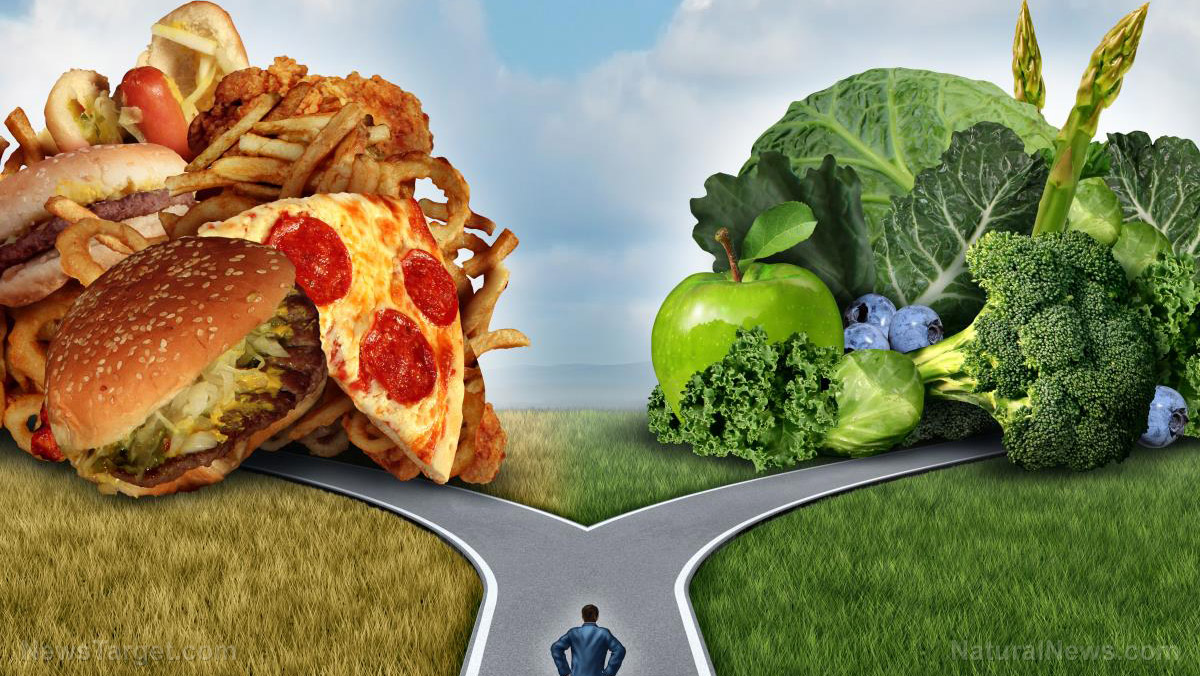
The medical school initiative is one component of a broader health agenda pursued by Secretary Kennedy since his appointment in 2025. This agenda, termed “Make America Healthy Again,” has included revising national dietary guidelines to invert the traditional food pyramid and targeting ultraprocessed foods [2]. Kennedy has stated that a federal definition of ultraprocessed foods will be announced as soon as April 2026 [2].
The effort aligns with other administrative actions, such as recent moves by 18 states to ban the purchase of soda, candy, and processed snacks using SNAP benefits, a policy shift that followed advocacy from HHS [4]. Observers note that these policies collectively represent a significant departure from previous federal approaches to nutrition and chronic disease, emphasizing prevention and dietary intervention over pharmaceutical management.
Conclusion
The commitment from 53 medical schools to enhance nutrition training represents a notable shift in U.S. medical education policy, one driven by the Trump administration’s focus on preventive health. While supported by many physicians who have long decried the lack of nutritional training, the initiative has also prompted questions about curriculum content, competing federal policies on agriculture, and the multifaceted causes of chronic disease.
The long-term impact on physician preparedness and patient health outcomes remains to be measured. The success of the policy may hinge on the specific content of the new curricula and whether it empowers future doctors to effectively counsel patients on diet and lifestyle — a competency that has been historically absent from their training, according to decades of surveys and professional testimony.
References
- Secretary Kennedy and Secretary McMahon Celebrate Medical School Commitments to Increase Nutrition Training for Future Doctors. – HHS Press Office. March 5, 2026.
- Let Food Be Thy Medicine? RFK Jr. Announces 50+ Medical Schools Will Add Nutrition Training. – The Defender. Michael Nevradakis. March 6, 2026.
- RFK Jr. Demands Med Schools Beef Up Nutrition Education. – Inside Higher Ed. September 8, 2025.
- When Government Subsidies Stopped, Doritos Got 15% Cheaper. – ZeroHedge. James Hickman. February 11, 2026.
- Your Doctor Can’t Make You Healthy: Evidence-Based Insights into Protecting Your Health and Preventing the Major Lifestyle. – Bernard E. Bulwer.
Submit a correction >>
Tagged Under:
big government, Censored Science, chronic disease, education system, food science, health science, HHS, Kennedy, longevity, MAGA, MAHA, medical schools, mental health, national health crisis, natural health, nutrition, nutrition education, nutrition training, prevention, progress, RFK Jr
This article may contain statements that reflect the opinion of the author
RECENT NEWS & ARTICLES