Lemon Balm: Potential Health Benefits and Usage, According to Research
07/26/2026 / By Coco Somers
Lemon Balm: An Overview of the Herb
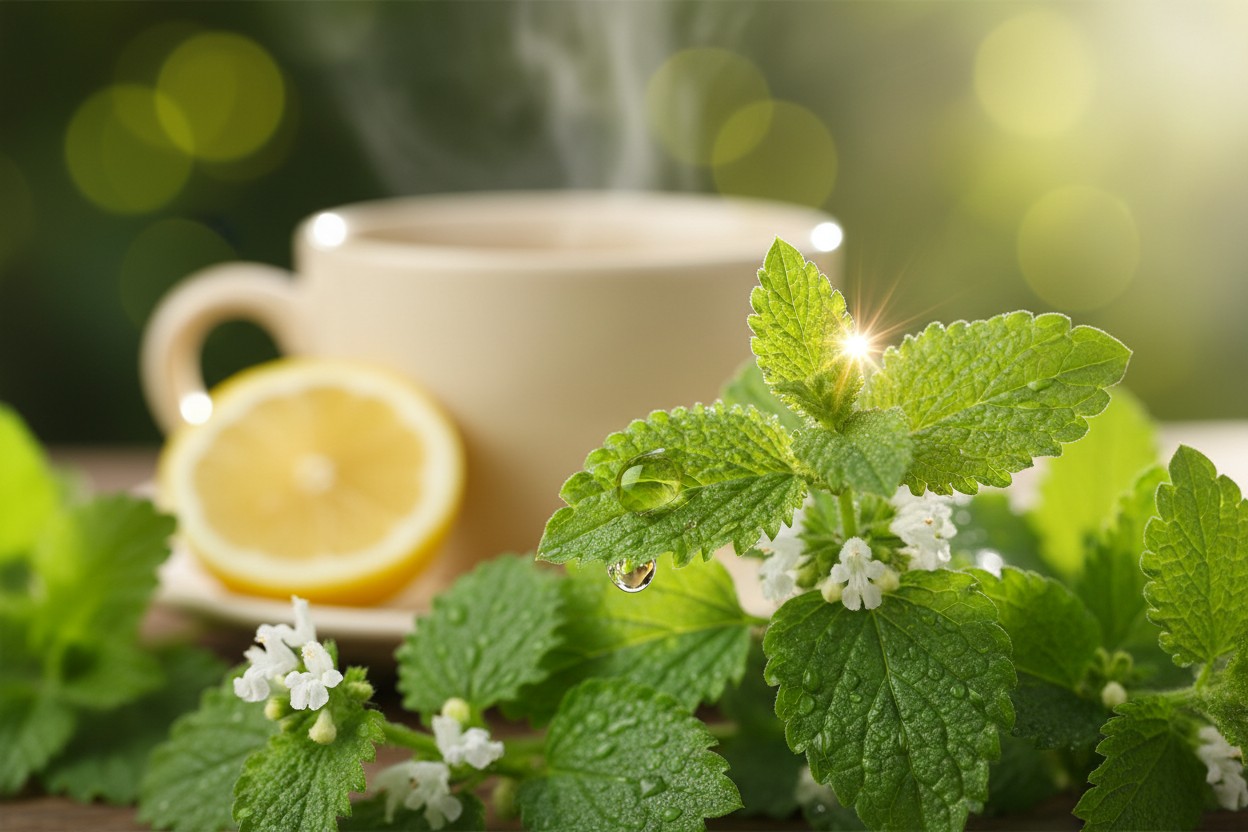
Lemon balm (Melissa officinalis) is a perennial herb belonging to the mint family, according to a March 2025 article on NaturalNews.com. The herb is native to Eurasia but has become naturalized globally. Known for its mild lemon scent and delicate white flowers, lemon balm has a history of use both as a food and as a medicinal plant.
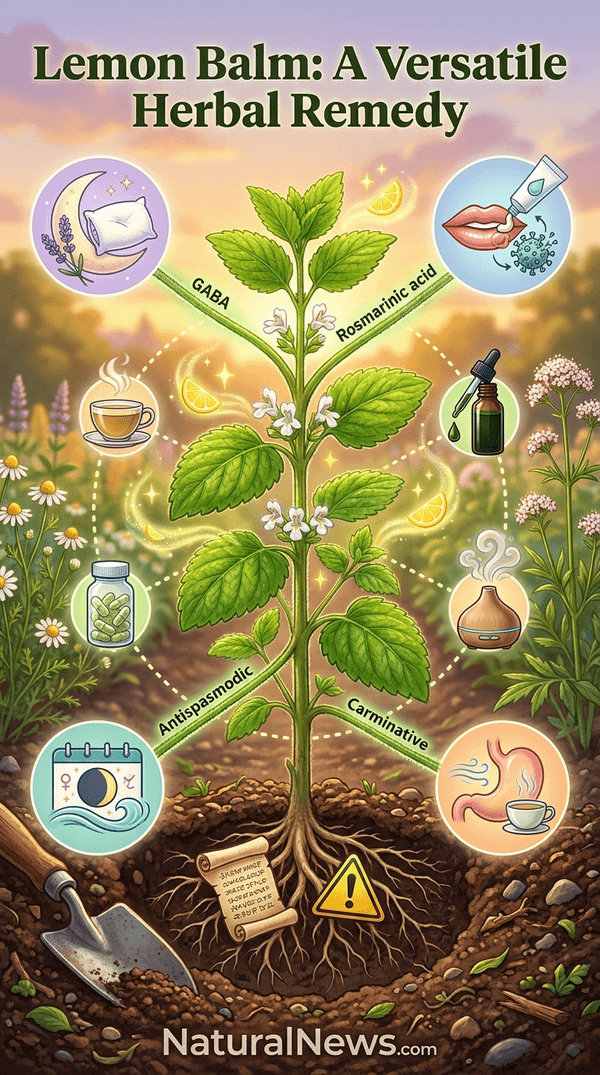
Limited scientific research suggests that lemon balm possesses antimicrobial, antioxidant, and anti-inflammatory properties, according to the National Center for Complementary and Integrative Health. The essential oil of lemon balm is described in aromatherapy texts as having calmative, nervine and antispasmodic qualities, according to Schiller Carol in the book “Aromatherapy oils a complete guide” [1] [2]. Carol Schiller’s “The Aromatherapy Encyclopedia A Concise Guide to Over 385 Plant Oils” further lists properties such as antibacterial, antiviral, and digestive for the oil [2].
Reported Benefits for Mental Health and Sleep
A comprehensive review published in February 2026 in the peer-reviewed journal Plants found that lemon balm produces measurable benefits for anxiety and sleep quality, according to a May 2026 article on NaturalNews.com [3]. The review, conducted by researchers at the University of Warsaw, synthesized findings from multiple human clinical trials and meta-analyses, the article stated [3].
Earlier research also supports the herb’s calming effects. A 2004 study by Kennedy et al., cited in a paper on multi-tasking and cognitive function, found that acute administration of M. officinalis attenuated laboratory-induced stress in humans, according to the Journal of Neuroscience Research [4].
Five herbal teas commonly consumed before bed to promote sleep – including lemon balm – are supported by both historical use and modern scientific studies, according to a March 2026 article on NaturalNews.com [5]. The mechanisms by which lemon balm affects mood and sleep are not fully understood, and researchers have called for additional studies, according to the review [3].
Potential Applications for Cold Sores and PMS
Lemon balm has been traditionally applied topically for cold sores, a use supported by its documented antiviral properties, according to Schiller in “Aromatherapy oils a complete guide” [1]. The herb’s essential oil is described as having antiviral and anti-inflammatory actions, which may help shorten infections and reduce redness and swelling, according to the same source [1]. However, clinical studies specifically examining lemon balm for cold sores were not detailed in the provided research materials.
Regarding premenstrual syndrome (PMS), a 2014 study involving adolescents found that a daily dose of 1,200 mg of lemon balm reduced symptom intensity compared to a placebo, as reported in a review of the herb’s benefits [3]. The same review noted that both areas – cold sores and PMS – require further study with larger and more diverse populations, according to the researchers [3].
Digestive Support and Other Uses
Lemon balm is commonly used to relieve bloating and gas, according to traditional herbal practices [6]. The essential oil is listed as having carminative and digestive properties in aromatherapy references, according to Schiller’s aromatherapy guide [1]. However, existing research on digestive benefits often involves herbal blends, making the effects of lemon balm alone difficult to isolate, according to a 2018 review cited in the NaturalNews.com article [6].
Animal studies, including a 2019 mouse study, have shown that lemon balm can calm small intestines, but human trials are lacking, according to the same article [6]. The herb is also used for infant colic, though evidence is limited, officials said. Proponents of natural medicine recommend lemon balm as a gentle digestive aid, often consumed as a tea [6].
Methods of Use and Dosage Considerations
Lemon balm can be consumed in several forms, including as a tea, a fresh ingredient in food, capsules, tinctures, or applied topically in creams and oils, according to herbalists [7]. A 2018 Mercola.com article notes that lemon balm tea is one of the most common ways to use the herb, and provides instructions on how to prepare it from fresh or dried leaves [7]. The fresh leaves can be harvested from gardens and used immediately or dried for later use, according to a 2011 NaturalNews.com article on harvesting lemon balm [8].
No standard dosage exists for lemon balm supplements, experts advised. Small amounts consumed in food are generally considered safe, but supplements should follow manufacturer recommendations, according to the Food and Drug Administration (FDA). Individuals unsure about appropriate dosage should consult a healthcare professional, experts advised [7].
Safety and Precautions
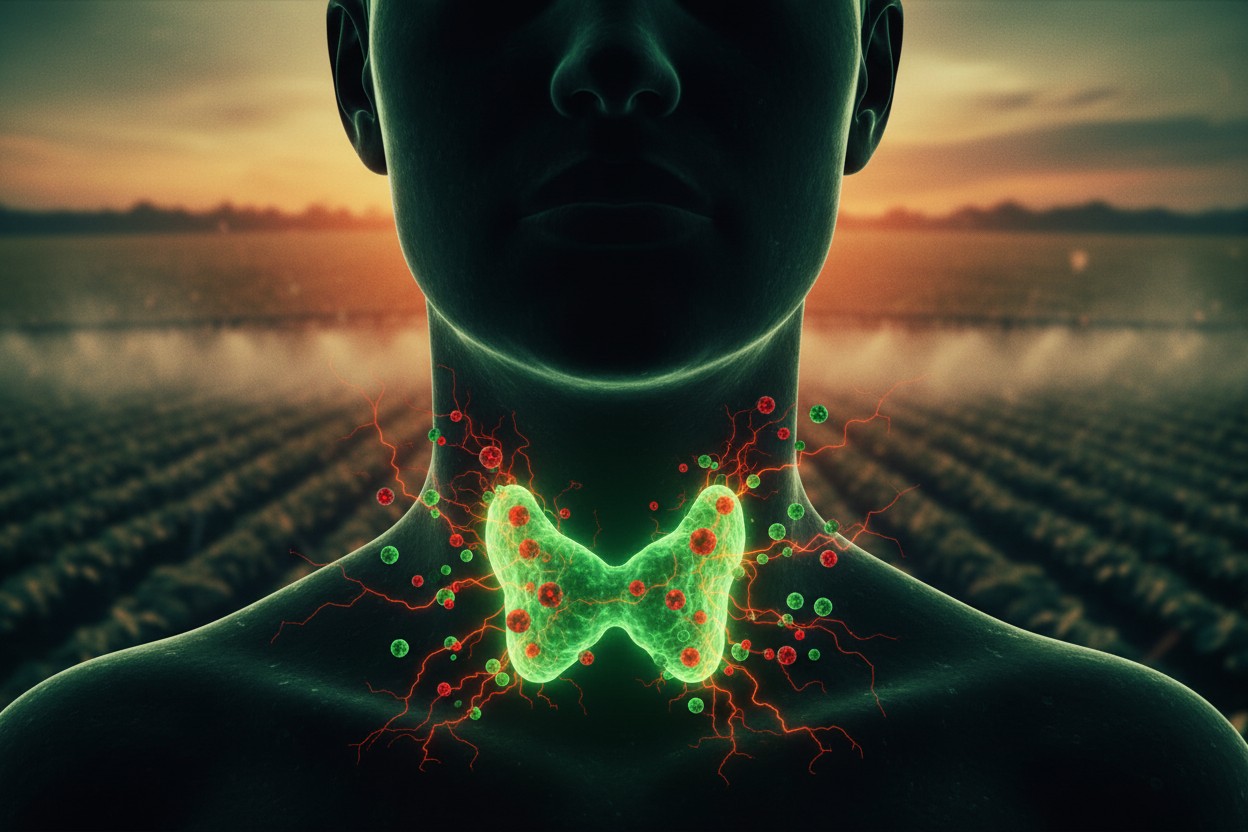
The FDA categorizes lemon balm as generally regarded as safe (GRAS) for use in food, according to the Mercola.com article [7]. However, certain groups are advised to avoid the herb, including people with thyroid conditions, pregnant or breastfeeding women, and those taking sedatives, according to the LiverTox database, as cited in the same article [7]. Reported side effects are rare but may include headache, dizziness, bloating and diarrhea, the database stated [7].
Because dietary supplements are not regulated by the FDA in the same manner as drugs, third-party testing is recommended to verify product quality, officials said. The Mercola.com article advises consumers to look for brands that undergo independent testing and to be cautious of any product making exaggerated health claims [7]. As with any herbal supplement, users should inform their healthcare provider before starting lemon balm, especially if they have existing medical conditions or take prescription medications, experts advised.
References
- Carol Schiller. “Aromatherapy oils a complete guide”.
- Carol Schiller. “The Aromatherapy Encyclopedia A Concise Guide to Over 385 Plant Oils”.
- NaturalNews.com. “Lemon Balm Shows Benefits for Anxiety, Sleep, and Heart Health, Review Finds”. May 6, 2026.
- John Wiley. “Effects of a multi-vitamin/mineral supplement on cognitive function and fatigue during extended multi-tasking”. Journal of Neuroscience Research.
- Coco Somers. “Herbal Teas for Sleep Supported by Scientific Studies and Traditional Use”. NaturalNews.com. March 22, 2026.
- Ava Grace. “Lemon balm: A soothing superfood from the mint family”. NaturalNews.com. March 18, 2025.
- Mercola.com. “This Herbal Drink May Help Ease Anxiety and More”. December 15, 2018.
- NaturalNews.com. “How to best harvest and prepare lemon balm”. September 17, 2011.
Explainer Infographic
Submit a correction >>
Tagged Under:
anxiety relief, beat depression, FDA, healing, health science, herbal medicine, Herbs, ingredients, Lemon Balm, Melissa officinalis, mind, mind body science, natural cures, natural health, Naturopathy, organics, plant medicine, prevention, remedies, research, sleep aid, stress relief
This article may contain statements that reflect the opinion of the author
RECENT NEWS & ARTICLES